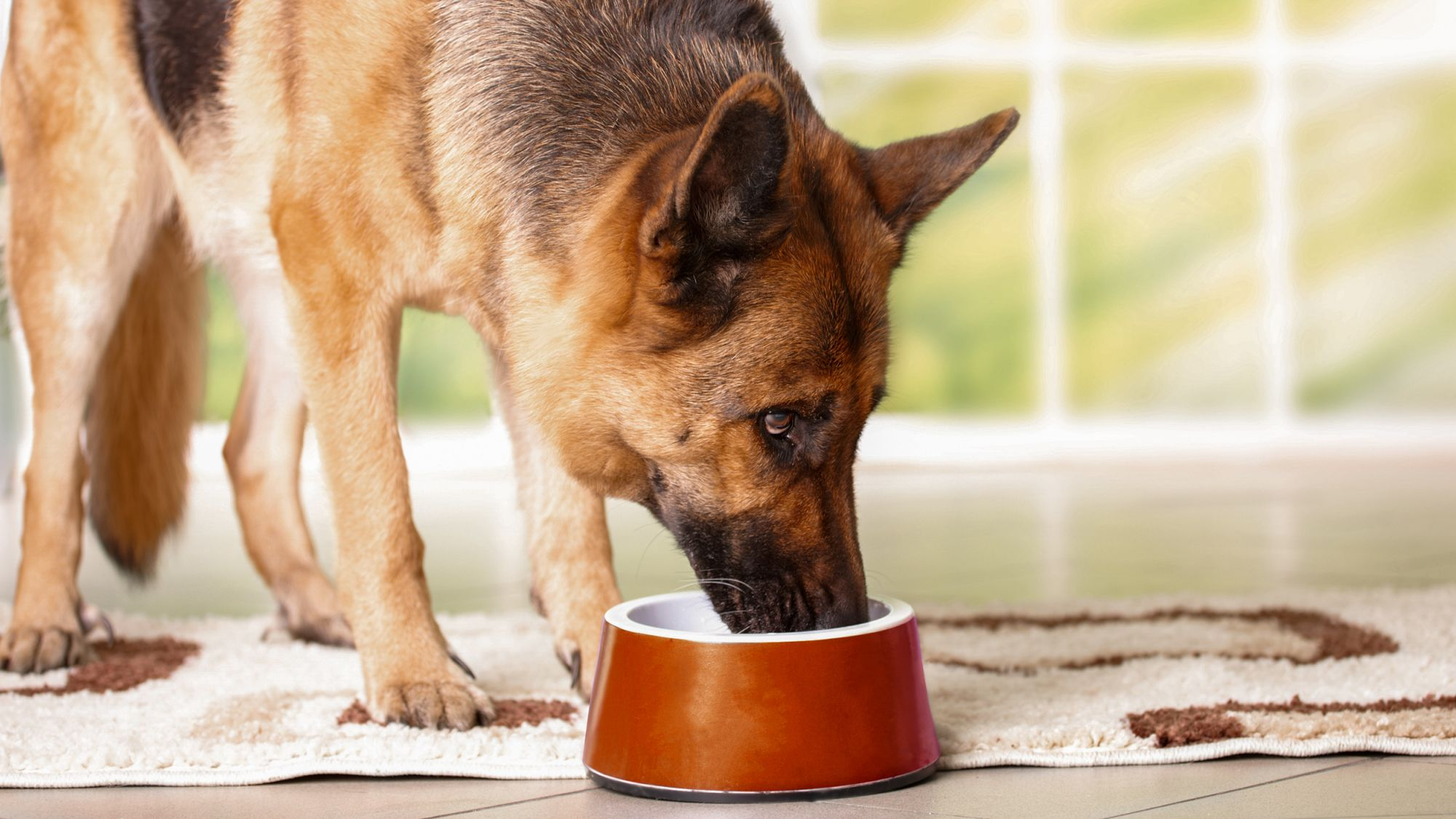
Article
Why Life Stage Nutrition Matters More Than Ever for Dogs
In veterinary practice across India, one common mistake stands out—feeding dogs the same diet throughout their lives. Whether it's a boisterous puppy or a slow-moving senior, many pet parents stick to one-size-fits-all feeding routines. While this may seem convenient, it can have lasting consequences on a dog’s health and longevity.
With India’s pet population projected to surpass 31 million by 2025, and an increasing number of urban households adopting dogs, veterinarians are in a unique position to influence pet health outcomes. One of the most powerful tools? Life stage-specific nutrition.
Puppyhood: Fueling Growth and Development
Puppies grow at a remarkable pace—developing muscles, bones, organs, and neural connections. This rapid growth demands a high-calorie, protein-rich diet tailored to their specific breed and size.
Veterinary guidelines recommend:
- Protein: 22–32%
- Fats: 10–25%
- DHA: For brain and vision development
- Balanced Calcium:Phosphorus ratio: Prevents skeletal abnormalities
Overfeeding, especially in large breeds, can lead to joint disorders like hip dysplasia. Conversely, undernutrition is a pressing issue. According to a 2022 study by the Indian Veterinary Research Institute (IVRI), nearly 40% of puppies in semi-urban India exhibited signs of rickets or stunted growth due to inappropriate diets like diluted cow’s milk or carbohydrate-heavy meals.
Structured feeding—3–4 times a day in small portions—is key. Breed-specific puppy formulas or home-cooked meals designed by veterinarians ensure that the building blocks for lifelong health are firmly in place.
Adulthood: The Balancing Act
By 12–18 months, most dogs transition into adulthood. Here, the nutritional focus shifts from growth to maintenance, disease prevention, and lifestyle alignment.
Adult dogs typically need:
- Protein: 18–25%
- Moderate fats
- Adequate fiber for digestive health
However, needs vary. A Labrador Retriever with daily outdoor exercise requires a very different caloric intake than a couch-loving Pomeranian.
An alarming 2023 survey by the Bengaluru Pet Welfare Society revealed that 35% of adult dogs in urban areas were overweight—primarily due to excess table scraps and high-carb diets. Obesity significantly increases the risk of diabetes, joint issues, and heart disease.
Veterinarians should guide pet parents on Body Condition Scoring (BCS) and discourage free-feeding. For those opting for home-prepared meals, a balanced mix of chicken, rice, vegetables, and vet-approved supplements can be effective—if carefully formulated.
Senior Years: Nourishing Gracefully
Dogs are considered senior by age 7—earlier for larger breeds. Aging brings reduced metabolism, muscle loss, and declining kidney, liver, and cognitive function.
Key nutritional adjustments for seniors include:
- Lower calories to prevent weight gain
- High-fiber for digestion
- Easily digestible protein to support muscle without straining organs
- Glucosamine & Chondroitin for joints
- Omega-3s, Vitamin E, Selenium for cognitive health
A 2022 study by TANUVAS found that 68% of senior Indian dogs had early arthritis, while 40% showed cognitive decline—both improved significantly with antioxidant-rich diets and fish oil.
Softened kibble or wet food often works best for older dogs dealing with dental issues. Custom senior diets can slow disease progression and improve quality of life.
The Vet’s Role: Translating Science into Culture
In India, dietary traditions like feeding rotis with milk or plain rice with curd are still common. While well-intentioned, such practices rarely meet the nutritional needs of dogs at any life stage.
Veterinarians can bridge this gap with non-judgmental education. By respecting cultural preferences while introducing easy nutritional tweaks—like adding pumpkin, paneer, eggs, or vet-recommended multivitamins—we can make science practical.
Community workshops, social media education, and personalized diet counselling are powerful ways to shift mindsets and improve outcomes.
Final Thoughts: Nutrition as Preventive Medicine
Life stage nutrition isn’t just a diet strategy—it’s a preventive health plan. As India’s pet population grows, veterinarians must lead the charge in promoting evidence-based, stage-appropriate feeding practices.
Because the right food—given at the right time—can mean the difference between a life that’s merely lived, and one that’s lived well.
References
- Indian Veterinary Research Institute (IVRI) & Tamil Nadu Veterinary and Animal Sciences University (TANUVAS). Reports on Canine Nutrition and Health Trends. 2021–2023.
- Bengaluru Pet Welfare Society. Urban Pet Care and Obesity Trends in India. Survey Report, 2023.
Related Contents
Video
Test
vcvmcvm
Article
dhdshdshds
cmcmcv
Article
gssdsg
shshsd
Article
xgdgdsdg
dsgsdgsdg
Infographic
Bioactive Fats for Dual Risk Modulation: Dietary Approaches to Enhance Cardiovascular and Glycemic Health
Bioactive fats, including omega-3 fatty acids, monounsaturated fats, and specific medium-chain trigl...
Infographic
ddsgdsg
dgsdgdsg
Infographic
Test Citation 2
Shaping the canal is the most discussed aspect, but we often overlook the crucial role of irrigation...
Article
Test Citation
[null]Pet nutrition is rapidly becoming a central concern for Indian pet parents—and with that...