Article
Feline OA is Real - How to Diagnose It Without Radiographs
Feline osteoarthritis (OA) is a widely under-recognized condition in clinical practice, particularly in India, where awareness about chronic pain in cats remains limited.
Epidemiological studies suggest that up to 61% of cats over the age of six show radiographic signs of OA, with the number rising significantly in cats over 12 years (Lascelles et al., 2012). However, due to the subtlety of feline behaviour and their evolutionary predisposition to mask pain, clinical detection is challenging.
Unlike dogs, cats with OA do not often exhibit overt lameness. Instead, veterinarians should look for reduced grooming, difficulty jumping onto furniture, reluctance to use the litter box, irritability, or social withdrawal. A validated owner questionnaire such as the Feline Musculoskeletal Pain Index (FMPI) or Client Specific Outcome Measures (CSOM) can
provide valuable insight into mobility changes that may not be obvious during examination (Benito et al., 2013).
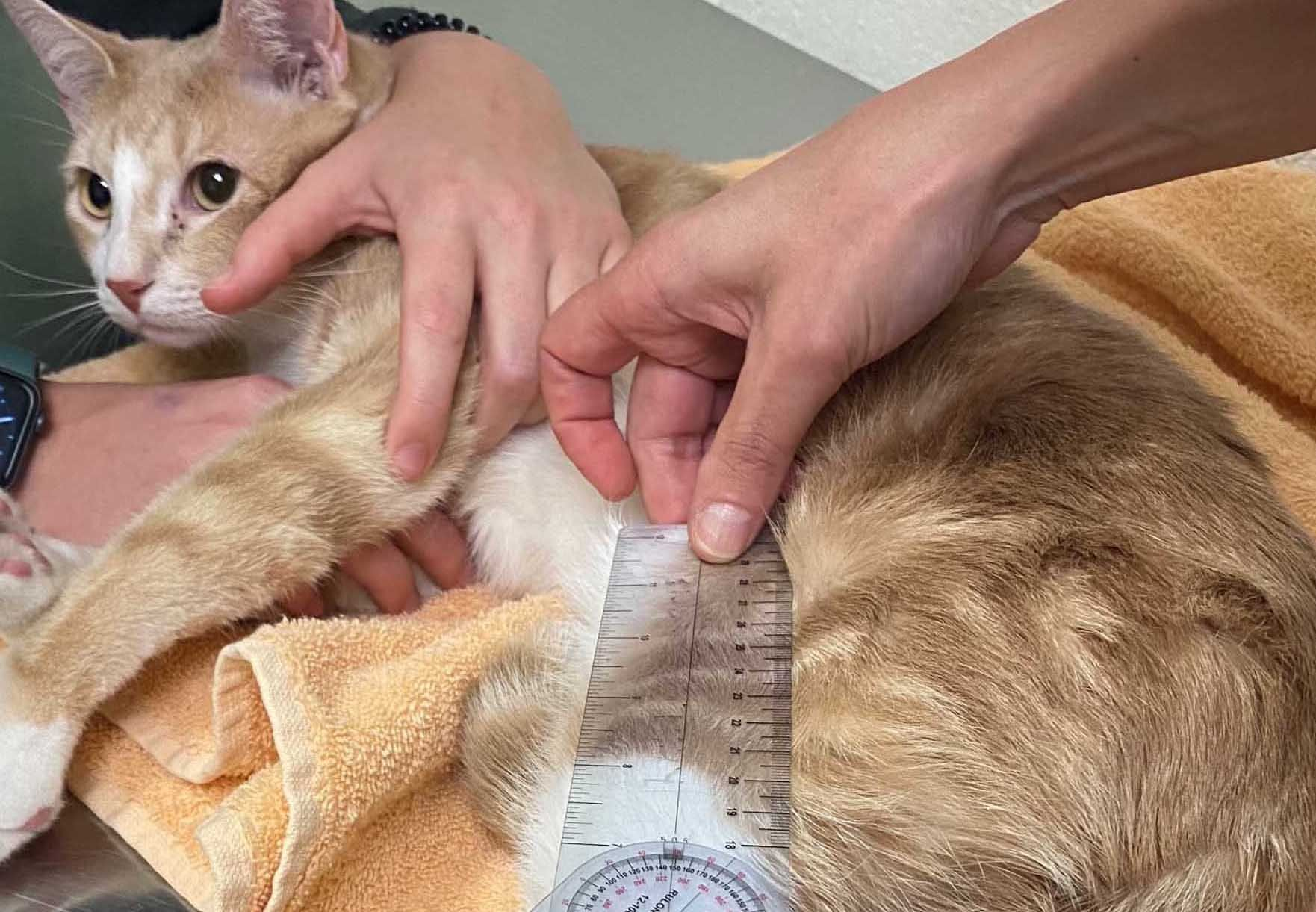
Orthopaedic examination in cats can be complicated by their temperament, but careful palpation of the spine, hips, elbows, and stifles may reveal crepitus, joint thickening, or reduced range of motion. Radiographs can confirm OA but often underestimate the pain burden; cats with mild radiographic changes may have significant functional impairment.
Management of feline OA should focus on pain control and environmental adaptation. Pharmacological options include meloxicam (off-label, at the lowest effective dose) and gabapentin, which provides analgesia and anxiolysis during handling. Non-drug approaches
include padded bedding, easy-access litter trays, warm resting spots, and ramps to reduce jumping. Newer therapies such as frunevetmab, a feline anti-NGF monoclonal antibody, show promise in clinical trials (Enomoto et al., 2022), though availability in India is still emerging.
Early recognition and a multimodal management strategy can greatly improve quality of life. Veterinary practitioners in India should prioritize feline OA in senior wellness exams, and educate guardians about behavioural pain signs.
References:
- Lascelles BDX et al. (2012). https://pubmed.ncbi.nlm.nih.gov/20561321
- Benito J et al. (2013). https://pubmed.ncbi.nlm.nih.gov/23369382
- Enomoto M et al. (2022). https://pubmed.ncbi.nlm.nih.gov/30368458
Related Contents
Video
Test
vcvmcvm
Article
dhdshdshds
cmcmcv
Article
gssdsg
shshsd
Article
xgdgdsdg
dsgsdgsdg
Infographic
Bioactive Fats for Dual Risk Modulation: Dietary Approaches to Enhance Cardiovascular and Glycemic Health
Bioactive fats, including omega-3 fatty acids, monounsaturated fats, and specific medium-chain trigl...
Infographic
ddsgdsg
dgsdgdsg
Infographic
Test Citation 2
Shaping the canal is the most discussed aspect, but we often overlook the crucial role of irrigation...
Article
Test Citation
[null]Pet nutrition is rapidly becoming a central concern for Indian pet parents—and with that...